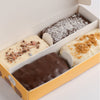
Are Protein Bars Actually Healthy? What to Look For and What to Avoid
, by Nathan Nelson, 6 min reading time
, by Nathan Nelson, 6 min reading time
Pick up almost any protein bar in any shop and you'll see the same thing on the front of the packet, a big number, a bold claim, and a photo that suggests eating this bar will turn you into someone who wakes up at 5am to go running.
Turn it over and read the ingredients list and the picture gets a bit more complicated.
So, are protein bars actually healthy? The honest answer is: it depends entirely on what's in them. And most people never check.
Here's what to look for, what to avoid, and why the difference between a good protein bar and a bad one is bigger than most brands want you to know.
A good protein bar does three things well: it delivers a meaningful amount of protein, it uses real ingredients to do it, and it doesn't load you up with things your body doesn't need in the process.
That sounds simple. In practice, a lot of bars get one of those right and quietly ignore the other two.
Protein content Look for a minimum of 10g of protein per bar, ideally 15g or more. Loada Balls bars deliver 15g of protein per bar, which puts them firmly in the higher end of the market for a snack-sized portion.
Ingredients This is where most bars fall short. Flip to the back and ask yourself: do I recognise these ingredients? Real ingredients, things like peanut butter, almond butter, honey, coconut, and whey protein behave differently in your body than a list of emulsifiers, bulking agents, and sweeteners with E-numbers.
At Loada Balls, every bar is handcrafted in Belfast using natural ingredients with no artificial nasties. That's not a marketing line, it's genuinely reflected in the ingredients list.
Sugar content A protein bar with 20g of sugar is essentially a chocolate bar with a protein claim printed on the front. Look for bars with low added sugar, and be especially wary of bars that replace sugar with excessive amounts of sugar alcohols, which can cause digestive issues in larger quantities.

Not all protein bars deserve the healthy label they're given. Here are the things worth checking before you commit:
Artificial sweeteners in high quantities A small amount of sweetener is fine. A bar that lists sucralose, acesulfame-K and maltitol all in the same ingredient list is trying to make something very sweet taste like it isn't, and your stomach often notices.
Very high sugar alcohols Erythritol and maltitol appear in a lot of "low sugar" bars. In small amounts, they're fine. When a bar contains 15g or more of sugar alcohols, some people experience bloating and digestive discomfort, particularly if you eat more than one.
Palm oil and low-quality fats Cheap bars bulk out their fat content with palm oil. It keeps costs down and extends shelf life. It adds nothing nutritionally.
Ingredient lists longer than a tax return As a general rule: the longer the ingredient list, the more the manufacturer has had to work to make the bar taste like something. A shorter list of recognisable ingredients is almost always a better sign.
They can be, but the framing of "weight loss snack" is slightly misleading for most people.
The more useful question is whether a protein bar is a better choice than what you'd otherwise reach for. If the alternative is a chocolate bar, a bag of crisps, or skipping a snack and ending up starving at 4pm, then yes, a good protein bar is a genuinely better option.
Protein keeps you fuller for longer than carbohydrates alone. A bar with 15g of protein and a short, natural ingredient list will satisfy a craving and hold you until your next meal in a way that a bag of sweets won't.
That's the Loada Balls philosophy in a nutshell, not "eat this instead of something you actually enjoy" but "eat this because it's genuinely delicious and it happens to be better for you than the alternative."
Fibre content in protein bars promotes digestive health and satiety. Bars rich in fibre help maintain regular bowel movements. Athletes benefit too, as protein bars can offer quick energy and recovery support during intense training sessions. When chosen wisely, protein bars can be a beneficial addition to a healthy lifestyle.
We might be biased, but we think it's a fair question, so here's an honest answer.
Each Loada Balls protein bar delivers 15g of protein using natural ingredients including whey protein, peanut butter, almond butter, and real chocolate. No artificial preservatives, no palm oil, no ingredient list that requires a chemistry degree to understand.
They're also handcrafted in batches in Belfast, which means you're not getting a factory-produced bar that's been sitting in a warehouse for six months.
In 2025, our White Caramelised Crumble Ball won Gold at the UK Quality Food Awards, not a protein supplement award, a food quality award. Because they're judged first and foremost as food, not as a supplement.

Yes, when they're made properly. The protein bar market is full of products that use health language to sell what is essentially a processed snack with a protein claim on the front. The way to cut through that is simple: read the ingredients list, not just the front of the packet.
Look for real ingredients, a meaningful protein content of at least 10–15g, low added sugar, and a list short enough that you know what everything is.
And if you want our completely unbiased recommendation, try a Loada Balls bar and see if you can tell it apart from a chocolate bar. We're fairly confident you won't be disappointed.
Shop Loada Balls Protein Bars

Protein bars can be a healthy part of your diet when chosen wisely. They offer convenient nutrition and can support various health goals, like muscle repair and hunger management.
However, not all protein bars are created equal. It's crucial to select those with natural ingredients and minimal additives. Always pay attention to their nutritional content. In moderation and as part of a balanced diet, protein bars can indeed be a beneficial snack option.
